








The letter states the city is moving forward on a “massive technology center for speculative purposes — especially given that a data center operator has not yet been disclosed.” It warns that the development would require “extensive commitments of natural resources including water and energy, all of which need to be adequately and transparently addressed.” 
Key concerns outlined by Kelly include:
• Energy: The project would demand up to 1.2 gigawatts from Duke Energy with no conveyed plans to bring the necessary electric resources online in time. No Florida Public Service Commission approval exists for a rate structure protecting residential and small-business customers from subsidizing the large load. 
• Water: The facility would require 50,000 gallons of potable water per day — a figure the secretary called “woefully underestimated.” The city lacks an approved water-use permit from the Southwest Florida Water Management District, and the project falls under the Central Florida Water Initiative planning area. 
• Economic benefits and jobs: Claims of job creation are “most likely a severe over projection,” as hyperscale data centers typically employ small teams of local technicians managed remotely. 
• Permitting and transparency: Multiple state and local permits (environmental resource, air quality, stormwater, wildlife mitigation) are still required and have not been obtained. The city and developer have not provided regulators with sufficient information. 
The 1,300-acre site is a former phosphate mine west of U.S. 17-98. The development agreement includes a $10 million advance against future property taxes and $300,000 for additional water supplies. Stonebridge is responsible for obtaining all permits and building water-related improvements.
Construction of the first phase was hoped to begin this year, but the agreement is now contingent on water-permit approval. 
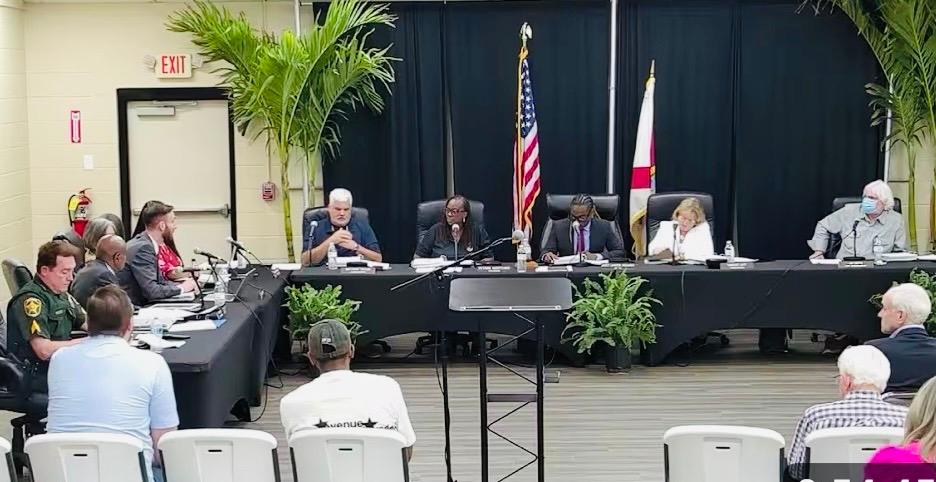
Mayor Williams responded April 16 in a conciliatory letter, stating the commission “welcomes your support through this process because it can only provide a benefit to ensuring that Fort Meade is protected.” He described the permitting process as ongoing and said the city expects the developer to remain accountable. 
The project has drawn strong resident opposition at public meetings, with many citing water and energy impacts. A group called Watchdogs of Fort Meade has actively protested.
There also are rumors of a recall effort.