





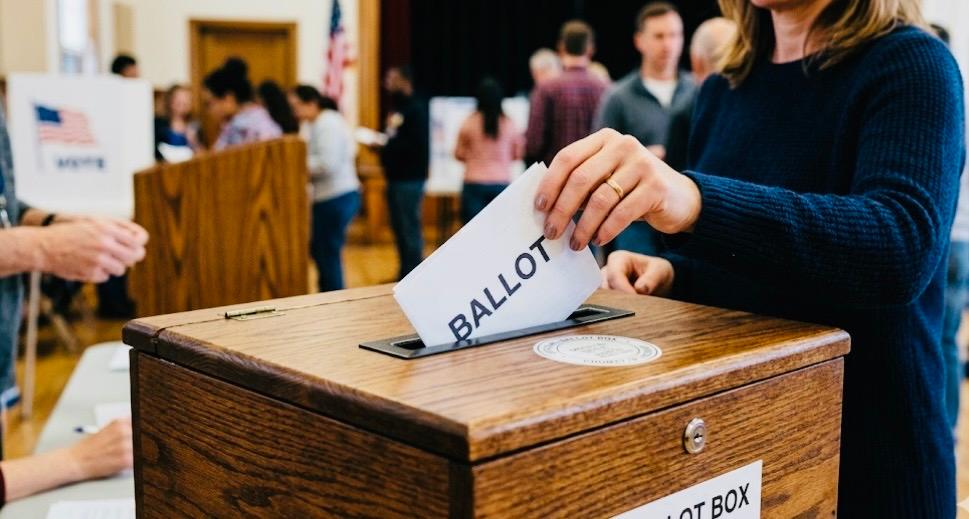
The Florida Senate passed a major election integrity bill Thursday, requiring proof of U.S. citizenship for voter registration and tightening voter ID rules at polling places.
The measure, HB 991, cleared on a party-line 27-12 vote. Republicans framed it as closing potential vulnerabilities in election security.
Sen. Erin Grall (R-Vero Beach), the Senate sponsor, said: “We have safe elections in Florida, but they don’t stay safe if we don’t pay attention to the large gaps that exist where we can address additional fraud.”
The Senate adopted a “delete-all” amendment, substituting language largely from SB 1334 (Grall’s bill), so the House must now approve the changes before it reaches Gov. Ron DeSantis.
Key provisions include:
• Citizenship verification: Voter registration applications require citizenship status checks via Department of Highway Safety and Motor Vehicles (DHSMV) records. Unverified applicants register as “unverified voters” and must use provisional ballots on Election Day. Those ballots count only if citizenship proof reaches the supervisor of elections by 5 p.m. two days after the election.
• Voter ID restrictions: The bill removes credit cards, student IDs, and retirement center IDs from acceptable “Tier 1” photo IDs.
• Driver’s licenses: Future Florida driver’s licenses and IDs must indicate the holder’s legal status (citizen or non-citizen).
• Other changes: Candidates must register with their political party at least 365 days before qualifying. The bill adds reporting on foreign national election influence and reaffirms “pen and paper” as the primary voting method.
Democrats opposed the bill fiercely, arguing it lacks justification given rare non-citizen voting cases (one cited national data showing only 77 instances over 25 years). Critics said it could disenfranchise college students, seniors, and others.
Sen. Tina Polsky (D) called it narrow construction of voting rights removal with “no policy reason.” Sen. Carlos Smith (D) highlighted impacts on University of Central Florida students, saying “there is no rationale for this change.”
Sen. Tracie Davis (D), a former elections staffer, warned provisional ballot surges would overwhelm supervisors, who have just two days to verify.
Most changes take effect Jan. 1, 2027, delaying impact past the 2026 midterms. Advocacy groups signaled immediate lawsuits if DeSantis signs it. The House must act before the legislative session ends.